Hungry people are not the solution to food waste. Food should be used to create health equity.
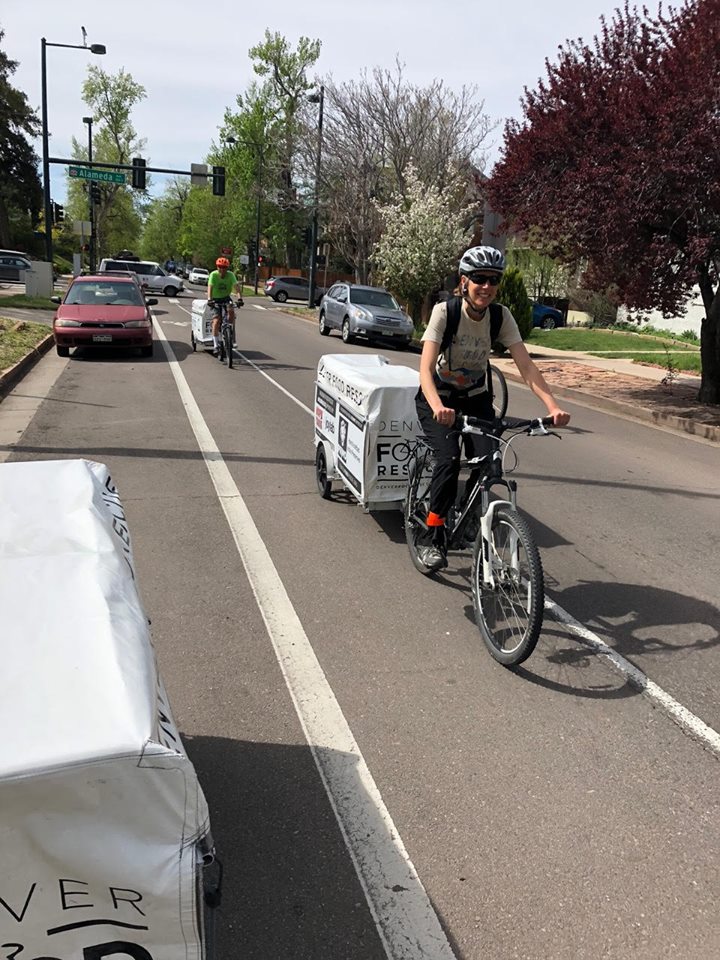
Denver Food Rescue started in 2011 as your run-of-the-mill food recovery and hunger charity. A small group of friends rode their bikes around Denver, Colorado, picking up food from grocery stores that would otherwise go to waste, and delivering it to food pantries, homeless shelters, and soup kitchens. This process worked well enough, but in 2014 we realized there were major gaps in our model.
Through community-based research, we realized there were a lot of people in Denver who simply didn’t have access to the types of organizations we were delivering our donations to. Food assistance organizations such as food pantries can be pretty inaccessible places for low-income families. From the stigma and embarrassment associated with accepting food for free, to the low quality of food, to the fact that they are often located in central Denver, while low-income families tend to live in the city’s peripheral food deserts, food pantries were not serving the needs of the community members we were talking to.
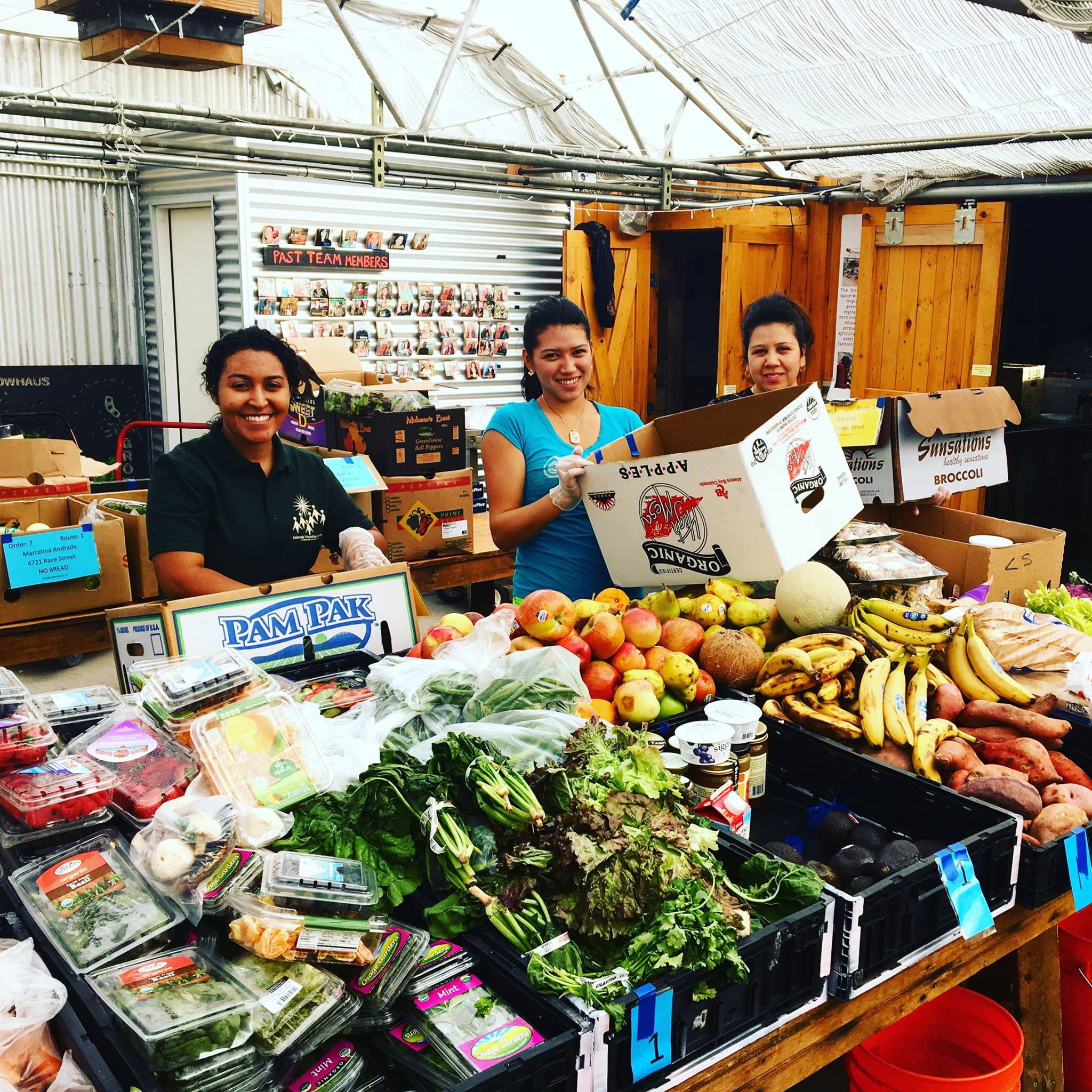
So we asked: what would you do with this food if you and your community had the opportunity to distribute it among yourselves in whatever way you pleased? The answer led to the creation of DFR’s flagship program, the No Cost Grocery Program. NCGPs focus on healthy food, and 80% of the food distributed is fresh produce (which also tends to be more culturally relevant). The community chooses what location they want the food to be distributed from, which is why most are located at schools, where food can be conveniently picked up while parents are picking up their kids. Most importantly, NCGPs are led by the community experiencing the health impacts of barriers to healthy food. This concept of resident leadership remains core to DFR, and the Board of Directors is made up of residents of NCGP communities.
I served as Executive Director of Denver Food Rescue from 2014 to 2019.